Mountaineering and Hiking in the Heart of the Stelvio National Park
The many peaks that contour the plains and slopes of the Gavia Pass represent coveted destinations of special charm for mountaineers and hikers. The Sobretta-Gavia subgroup offers the visitor countless routes of easy difficulty to true mountaineering with climbing sections and fun progression on ridges and moraines.

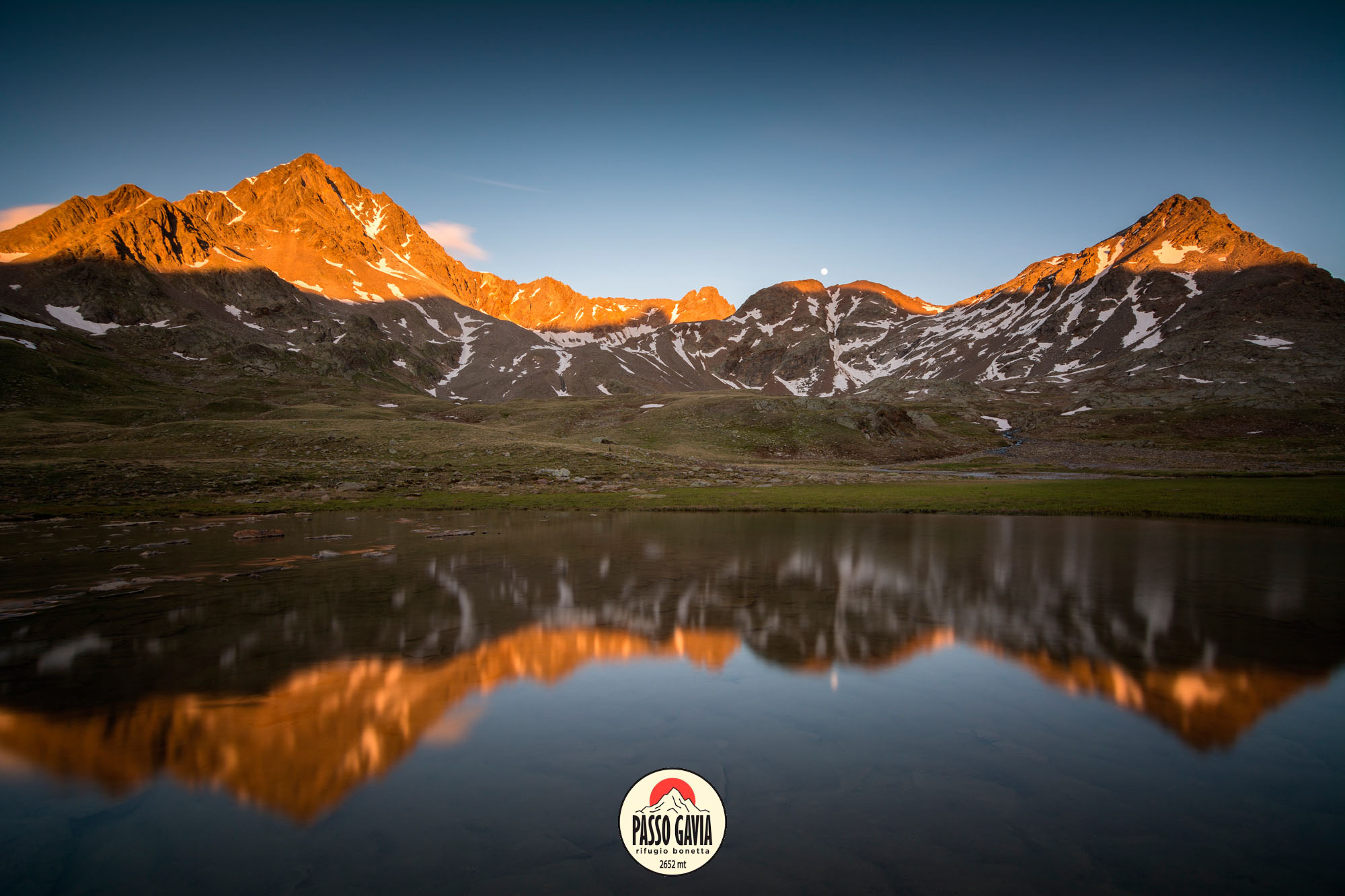
The symbolic peak of Gavia is without any doubt the Corno dei Tre Signori, which with its mass dominates the mountaineer’s view from all sides. The summit culminates at the considerable elevation of 3360mslm, and although the elevation gain to be tackled is only about 950 meters the climb is far from trivial and immediate. The mountaineer will traverse fascinating grasslands and peat bogs, desolate and wild moraines, moraine rock walls and sections equipped with chains on the long ascent to the isolated Bocchetta dei tre Signori, a watershed between the Gavia Valley and the Ercavallo heights. From here after a short downhill section begins the long and strenuous ascent over scree and moraines to below the rocky buttress that closes the E. About 30 meters of splendid climbing (II+/III) leads to the ridge and then to the scenic summit. Ascent rated overall EEA, PD-, III. Travel time only uphill about 3.30h. Useful 30-meter split for rappelling from the ridge.
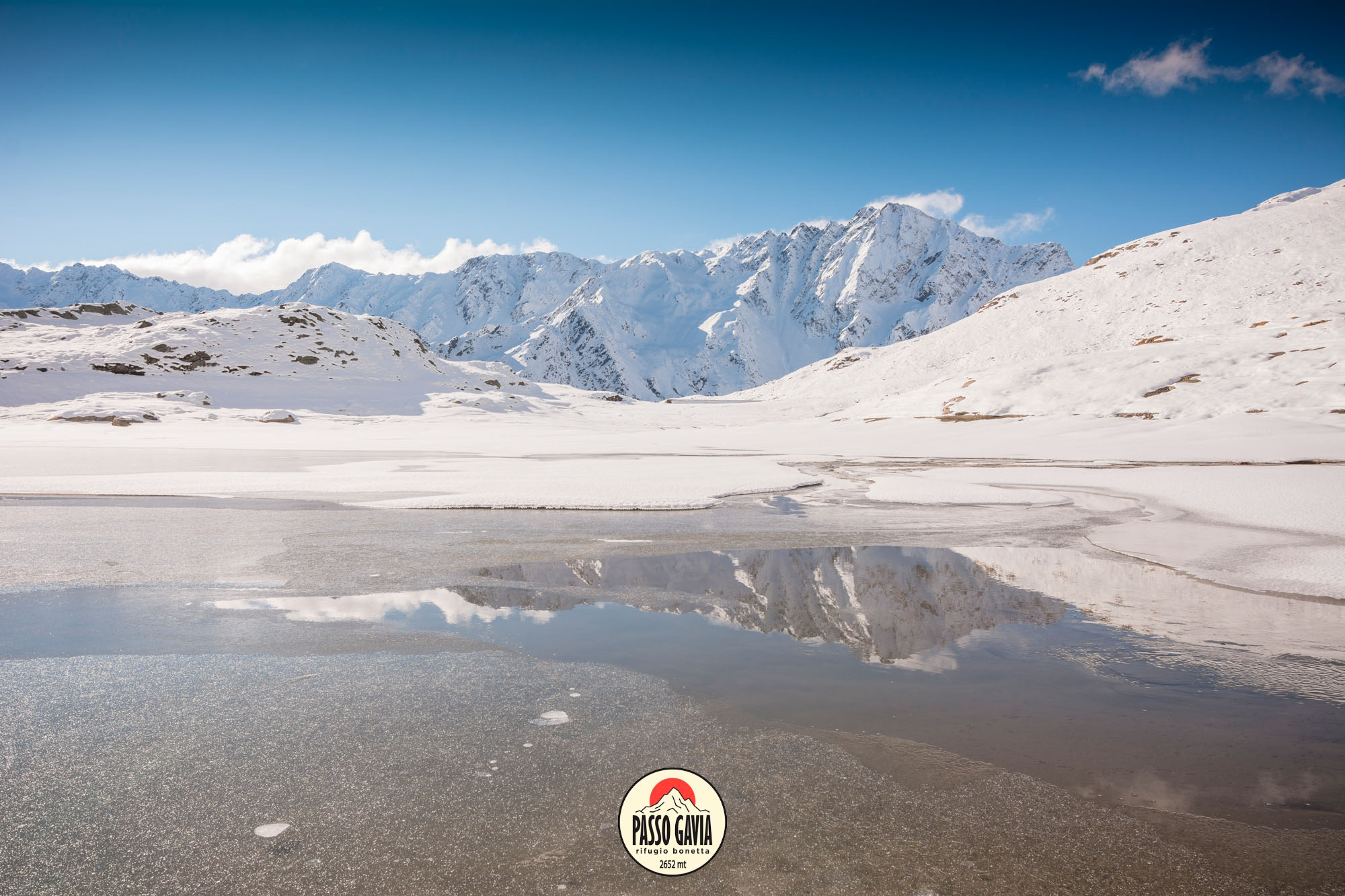
Next to the most imposing peak of the Corno dei Tre Signori we find the beautiful pyramidal peak named Gaviola, 3050mslm. Of all the peaks, this is undoubtedly the most accessible and easy in terms of elevation gain and difficulty. This is a wonderful hike on a military road and then on a comfortable trail that takes about 1.30h. Since no special equipment is required outside of simple hiking, the climb can be tackled by anyone, even without special training and technical skills. The hiker will cross mesmerizing meadows and glades, a beautiful military road, and a comfortable trail to the summit. The view is undoubtedly one of the most beautiful to be seen. Clearly visible are White Lake, Black Lake, Messi Valley and Gavia Valley, as well as the beautiful peat bogs and ponds scattered in the moraines below. The climb is rated EE – F overall and covers an elevation gain of about 450 meters.
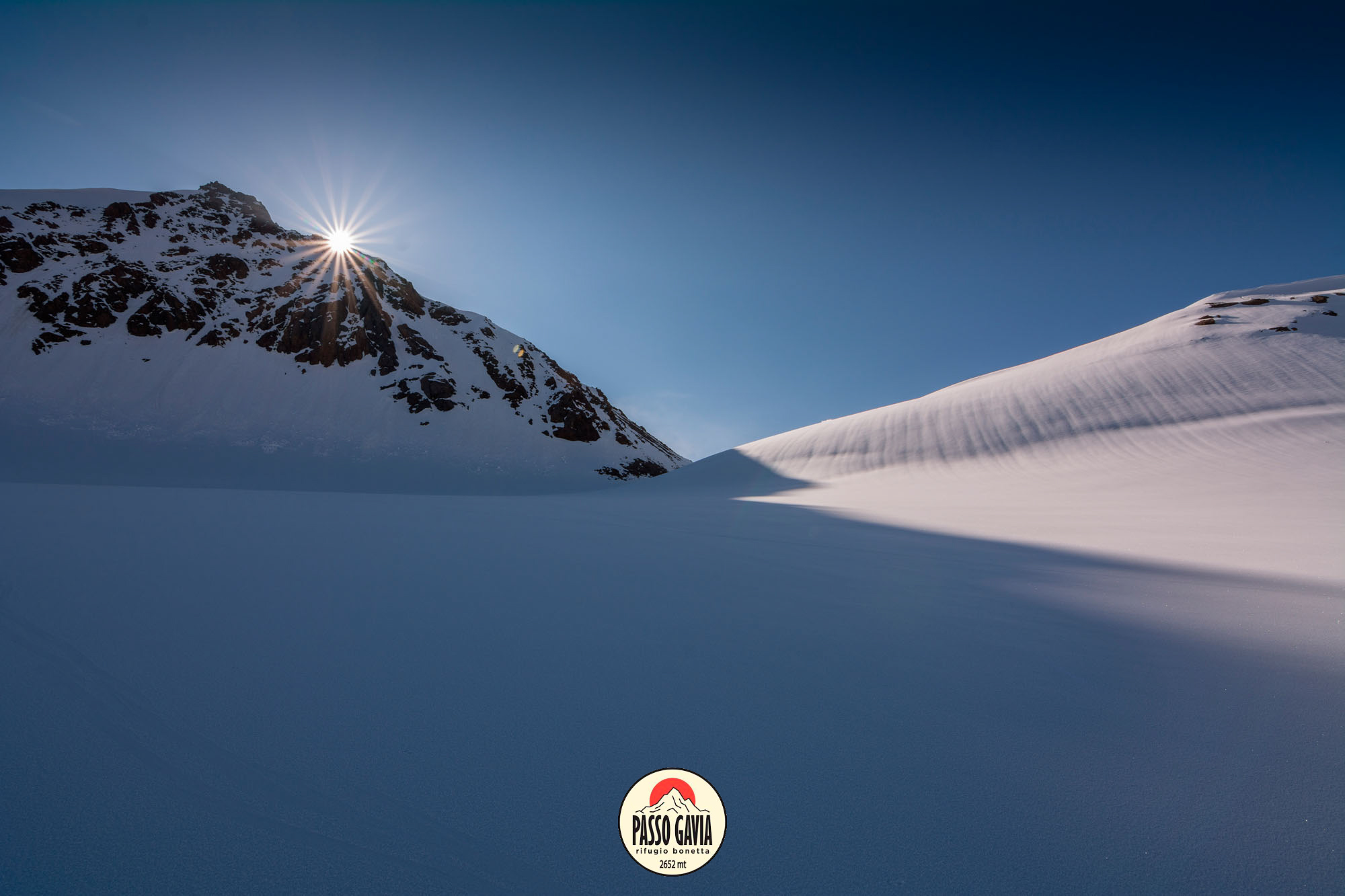
Beyond Lake Bianco and the Gavia Pass road, on the other hand, we find the beautiful and isolated peak of Monte Gavia which, at 3223 meters above sea level, represents one of the wildest and most isolated peaks of the pass, even though it appears to be only a few minutes’ walk from the roadside. The spire shape and deep red color of the rocks make this mountain a must for adventure and exploration lovers. The climb begins just behind the Bonetta hut and follows for much of the route a fascinating military road that then dies over meadows and moraines until it becomes a steep and spectacular trail. Reaching the summit of Monte Gavia, on the other hand, good mastery of the climbing is required, which ascends the seemingly impregnable slope of the mountain with difficulties around II. Given the centrality of the mountain, the views can only be splendid: from the Rezzalo Valley below to the distant peaks of Valtellina to the north and the granite peaks of Adamello Presanella to the south. Overall, the climb is about 600 meters of elevation gain in just over 2 1/2 hours with EE – II rating.

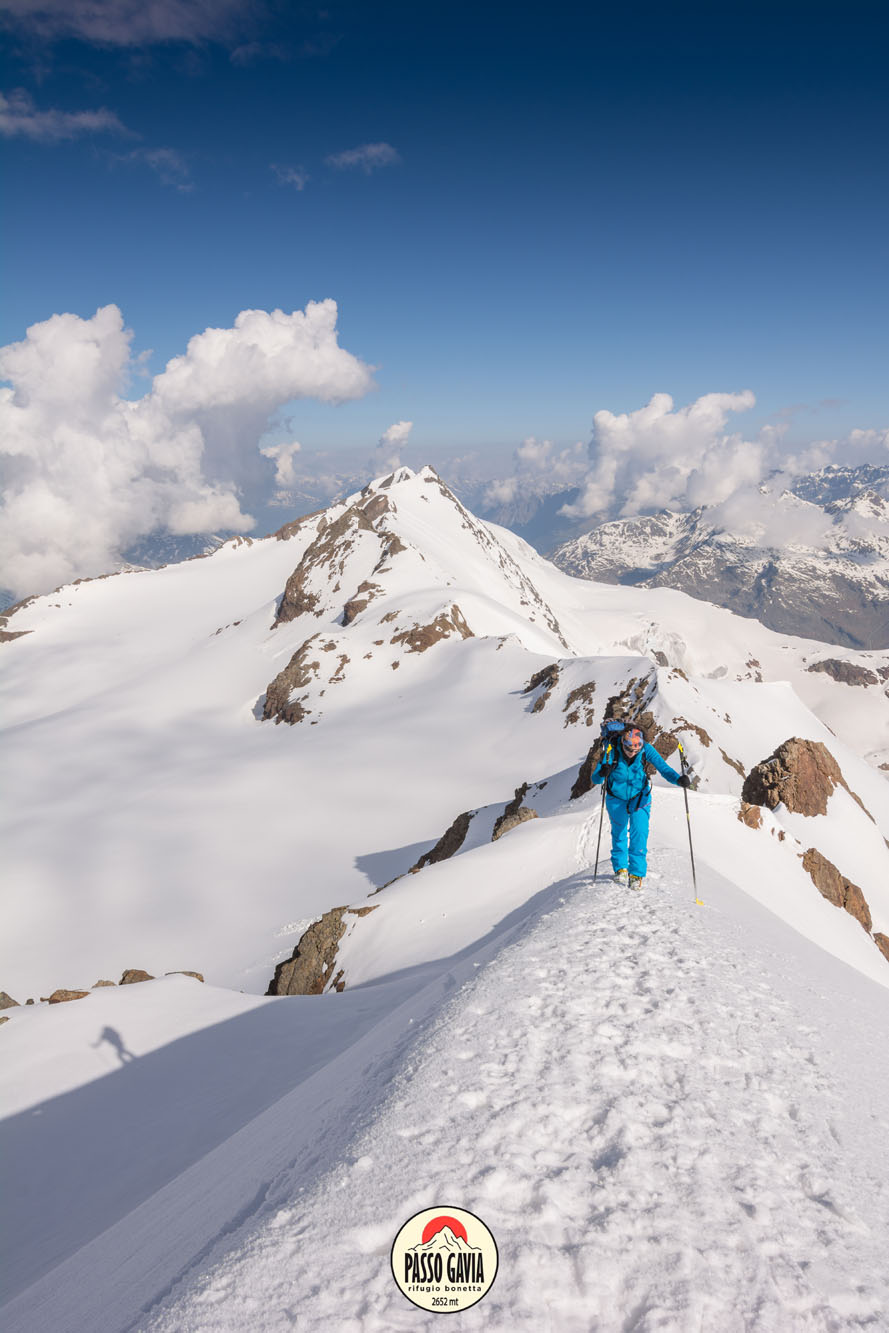
If the three peaks described above have as their starting point the very forecourt of the Bonetta Refuge, the Gavia Valley, on the other hand, is a treasure trove of other exceptional mountaineering itineraries for high mountaineers and exploration enthusiasts. Among the latter we include the ascent to Punta Sforzellina, which starting from Rifugio CAI A.Berni climbs in a little more than 2 hours the moraines of the hydrographic right side of the Gavia Valley to the Sforzellina Glacier and then through scree and moon moraines reaches the summit. The Dosegù Valley, home to the imposing Dosegù Glacier, on the other hand, is the gateway to the high peaks that make up the glacier’s ommunities. Tresero (3602mslm), Pedranzini (3599mslm), Dosegù (3560mslm), and San Matteo (3678mslm) represent high-level mountaineering ascents with centuries-old fascination. The Battle of S.Matteo represents one of the bloodiest and most difficult battles of the Great War, in these mountains called the White War, and was for many decades the battle fought at the highest altitude above sea level. The climbs require mountaineering skills since the ascent is on crevassed glacier and on even steep slopes. The multitude of routes and ascent routes suitable for all levels of difficulty makes Dosegu Valley without a shadow of a doubt a must for mountaineers, both in summer and spring. The late-May opening of the Gavia Pass road in fact makes exciting late-season ski mountaineering possible without, however, having to deal with challenging elevation gains and double-digit mileage. The aforementioned peaks represent one end of the great Thirteen Peaks traverse. For exploration enthusiasts, we also mention the ascents to the Vallumbrina peaks, in whose vicinity we find the Battaglion Ortles bivouac, Villacorna peak, and Mount Mantello, which with its north face represents a fun and affordable steep skiing route to be tackled in the spring period.
Toward the west, on the other hand, we find the beautiful and immaculate Messi Valley, which offers the hiker routes for every taste and desire. From the wild and inaccessible Punta Pietrarossa to the distant peaks Savoretta, Valmalza and Savoretta Tonda. Immense meadows, wild glades, desolate valleys, and isolated, moonlit moraines form the backdrop to one of the most beautiful places in the entire Stelvio National Park. Beautiful lakes, wildlife of all kinds, pure and pristine silence provide the backdrop for splendid hiking and mountaineering ascents as well as in the spring and/or winter period for exceptional ski mountaineering and snow and ice adventures.
For those, on the other hand, who seek peace and tranquility without special physical exertion, the wild plains of the Gavia Pass and the valley of the same name are just waiting for a visit. You will find trenches, military buildings, easy trails, meadows where you can lie down and admire the blue color of the sky, and enchanting silence. If we have to find sources of “disturbance” it will only be marmots, chamois, ibex, vipers, partridges, stoats and many other species that live these valleys and grasslands undisturbed. It will be enough to stop, listen and be carried away by the beauty from the Gavia Pass. Magic. Love.